









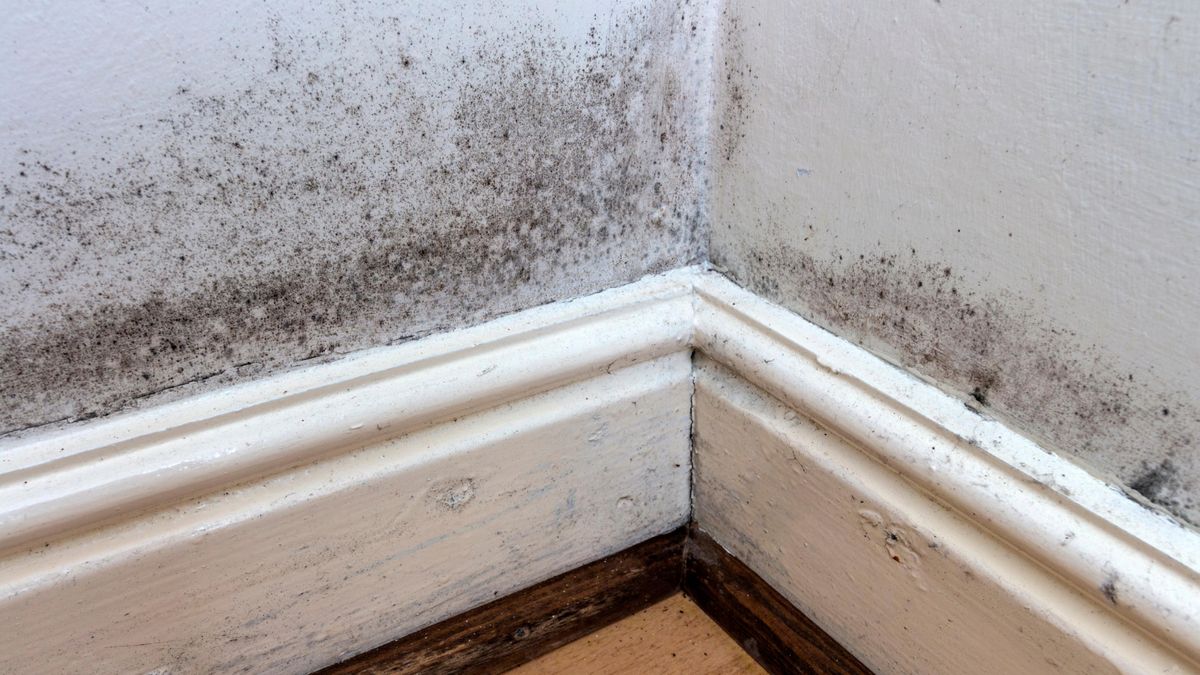
You have vacuumed, wiped the floors, cleaned around the edges of your rooms, and still, small black dots are appearing along your skirting boards. They are usually gathered at the doorways, windows, or at the corners of rooms. You wash them away, and then days or weeks later, you see them coming back again.
This is puzzling and annoying for homeowners. The dots appear to be small, even harmless. However, repeated black spots in skirting boards, and such spots are seldom due to dirt. They are, on most occasions, early warning signs of the existence of pest activities which could be hidden behind walls, under the floor, or in timber structures.
These marks can be caused by termites, rodents, or cockroaches, but they are not to be overlooked. An early intervention can ensure that there is no severe damage and expensive repairs.
What Are These Small Black Dots?
The black dots that are seen on the skirting boards are mostly dots of pests dropping or debris vacating as pests move in the dark corners of your home. Knowing what they are assists in the identification of the severity of the problem.
Common causes include:
- Termite droppings (frass): Fine, sand-like pellets that are often dark brown or black
- Rodent droppings: Small, oval-shaped pellets, usually found near walls or entry points
- Cockroach droppings: Black dots, smears, or powdery residue in quiet, undisturbed areas
They might appear to be the same; however, all the kinds of droppings lead to the presence of different pests, although with different degrees of danger. Notably, droppings are often visible, which implies the infestation is already established.
Why Termites Leave Black Dots Along Skirting Boards
One of the most alarming reasons for black dots around skirting boards is termites. They live off timber and usually work entirely out of view, in the walls and framing.
Termites cut their tunnels through the wood and create frass (tiny pellets of digested wood). These pellets are forced out of exit holes, which are usually long and lined up along the skirting boards, window frames, or door trims.
What this usually means:
- Termites are active inside wall cavities or timber framing
- Structural wood may already be hollowing out
- Damage is occurring even if the surface looks intact
Since skirting boards have a direct relation with wall framing, it is an easy location to see termite activity initially. Professional Termite control intervention is required once frass has been observed. When you act late, the termites would go on destroying your home without your notice.
Other Pests That Could Be Behind the Black Dots
Termites are not the only pests that leave signs along skirting boards. These spaces are also travel routes or nesting sites of other pests in the house.
Rodents
Rats and mice can travel along the walls and skirting boards, and they leave droppings along their path. These excrements are rather larger than the termite frass and may be scattered instead of being stacked.
Rodents are particularly dangerous because they:
- Chew the electrical wiring behind the walls
- Nest inside cupboards or wall cavities
- Spread bacteria and disease through droppings and urine
In case of the suspicion of rodent activity, it is possible to involve Pest Exterminator services and find out where the nest is located, and avoid further destruction.
Cockroaches
Cockroaches like to be in dark, warm, and undisturbed places, which skirting boards offer. Their excrement may resemble black pepper, smears, or tiny dots around room edges.
In most cases, cockroaches tend to multiply at night, and they may also spread very quickly unless attended to. Their excretions can also cause allergy and asthma, particularly in children.
The Risks of Ignoring Small Black Dots
It’s easy to dismiss these signs as harmless dirt, but ignoring them can lead to serious consequences.
Structural Damage
- Termites can weaken floorboards, wall studs, and roof framing
- Damage often remains hidden until repairs become extensive
Health and Safety Risks
- Rodents spread bacteria and contaminate surfaces
- Chewed wiring increases fire risk
- Cockroaches spread allergens and pathogens
Escalating Infestations
- Pest populations grow quickly when undisturbed
- The longer pests remain, the harder and more expensive they are to eliminate
Early pest control intervention is always safer, faster, and more cost-effective than waiting until damage becomes obvious.
The Role of a Pest Exterminator in Solving the Problem
A professional cockroach control service does not just get rid of pests that are visible. They explore the origin of the issue and cure it at its core.
A pest exterminator will typically:
- Identify the exact pest species causing the issue
- Locate hidden nesting sites and entry points
- Assess the extent of damage or infestation
- Apply targeted treatments specific to the pest
- Recommend prevention strategies to stop recurrence
DIY remedies and commercially available medications are not effective as they only cover the superficial symptoms. Professional extermination aims at attacking the pests at their homes and breeding places.
Why You Should Act Quickly
Time is a critical factor when it comes to pest issues.
- Termites can cause extensive timber damage within months
- Rodents reproduce quickly and damage wiring, insulation, and belongings
- Cockroaches spread rapidly through wall cavities and kitchens
The longer the pests stay active, the higher the chances of your home being damaged in terms of its structures, safety, and hygiene. Acting early may help avoid the necessity of significant repairs or continuous treatment.
Takeaway: Don’t Ignore the Warning Signs
Those little black dots by your skirting boards are rarely harmless. They usually present the initial sign of termites, rodents, or cockroaches that are active. Only cleaning will not help resolve the problem as long as the pests are behind the walls or below the floors.
Whether you’re dealing with damage to timber, droppings, or marks that cannot be explained, the means of professional pest control is the safest and most efficient one. Timely check-ups and maintenance save your house from damage over time and expensive repairs.
FAQs
Are small black dots always a sign of termites?
No. They can also be caused by rodents or cockroaches. However, termite frass is a serious concern and should be assessed immediately.
How can I tell termite droppings from rodent droppings?
Termite droppings are fine, sand-like pellets, while rodent droppings are larger and more solid. A professional inspection provides accurate identification.
Can I clean the dots and ignore them if they don’t come back immediately?
Even if they temporarily disappear, pests may still be active. Reappearance usually means the infestation is ongoing.
Are skirting boards a common place for pest activity?
Yes. Skirting boards connect to wall cavities and framing, making them a common exit point for pests.
Is pest control necessary if I only see a few dots?
Yes. Visible signs often mean pests are already established out of sight.
How often should homes be inspected for pests?
Annual inspections are recommended, especially in areas prone to termites or rodent activity.